
Apple's Next Big Thing Is a Push Into Visual Intelligence
Apple CEO Tim Cook signals Visual Intelligence will be the defining feature of the company's push into wearable AI devices, with product launches planned for early March.
Bloomberg
Apple's Next Big Thing Is a Push Into Visual Intelligence
Apple CEO Tim Cook signals Visual Intelligence will be the defining feature of the company's push into wearable AI devices, with product launches planned for early March.
bloomberg.com
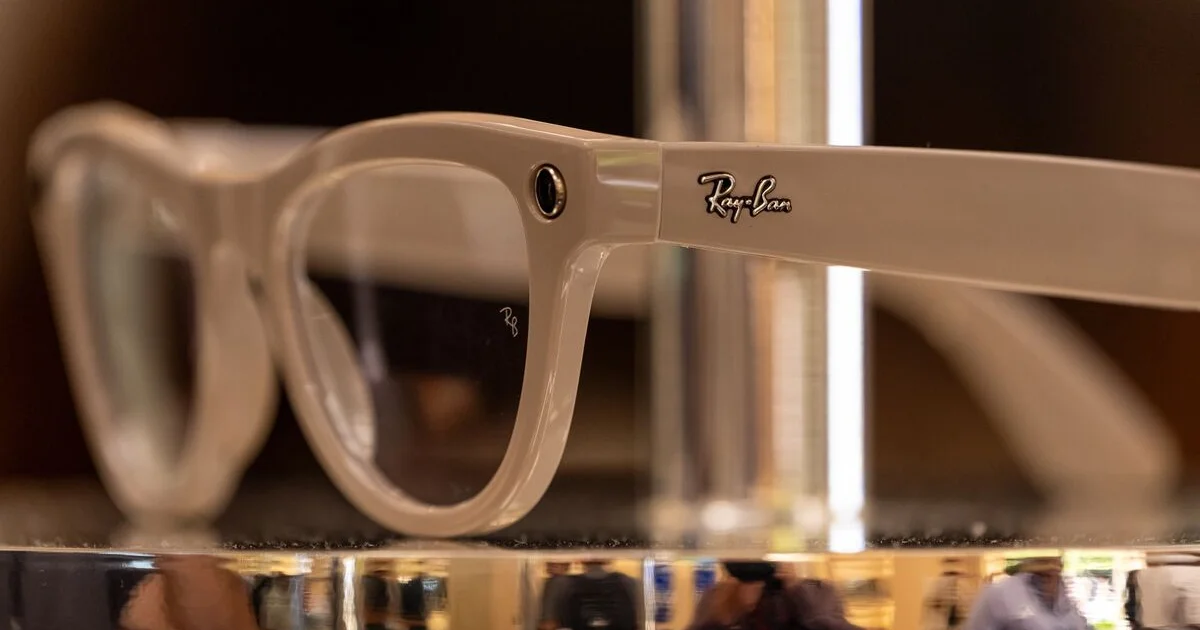
Apple's bet on Visual Intelligence as the cornerstone of their wearable AI strategy isn't just about catching up to competitors—it's about defining what AI hardware should actually do.
According to Bloomberg's report, Tim Cook is positioning Visual Intelligence as the defining feature of Apple's upcoming wearable devices, with major announcements planned for early March. This matters because Apple rarely leads with AI as a selling point unless they think they've cracked something fundamental.
The timing tells the real story. Whilst Meta burns billions on VR headsets that nobody wants and Google fumbles AI hardware launches, Apple is taking a different approach: make AI useful in the real world through vision. Visual Intelligence isn't about creating virtual worlds—it's about understanding the physical one better.
For product builders, this signals where the puck is heading. If Apple is betting their wearable strategy on visual AI, it means the infrastructure is finally mature enough for mainstream deployment. The computer vision models, the edge processing power, the battery efficiency—all the pieces that have been "almost ready" for years are apparently ready enough for Apple.
The product implications
This isn't just about what Apple builds—it's about what everyone else will need to build in response. If Visual Intelligence becomes a core smartphone and wearable feature, every app and service will need to think visually. Restaurant discovery apps that recognise menus, shopping apps that identify products, productivity tools that parse documents from photos—the whole software ecosystem shifts.
The March timeline is aggressive, suggesting Apple sees competitive pressure. Whether that's from improving Chinese competitors or breakthrough AI models from OpenAI and others, Apple clearly doesn't want to be caught flat-footed in the next computing platform.
What's particularly interesting is the focus on wearables rather than phones. Visual Intelligence on a watch or glasses makes more sense than on a phone you have to pull out and point at things. This suggests Apple isn't just adding AI features—they're rethinking how we interact with computers entirely.
The real test won't be the technology demo but the developer ecosystem. Apple's historical strength has been creating platforms that third-party developers want to build on. If Visual Intelligence becomes a core platform capability with good APIs, it could create the same kind of ecosystem growth we saw with the App Store.
But if it stays locked in Apple's first-party apps, it's just another feature that competitors will copy within 18 months. The difference between platform and feature will determine whether this announcement matters beyond Apple's quarterly earnings.
Read the original on Bloomberg
bloomberg.com