
Nobody sells doom at their own IPO
Sam Altman and Dario Amodei are both walking back their AI jobs apocalypse prophecies as they eye blockbuster IPOs. The softened rhetoric tells you less about what AI is doing to jobs than about who is about to sell shares.
Fortune
Sam Altman and Dario Amodei are both walking back their AI jobs apocalypse prophecies as they eye blockbuster IPOs
Sam Altman and Dario Amodei are both walking back their AI jobs apocalypse prophecies as they eye blockbuster IPOs.
fortune.com
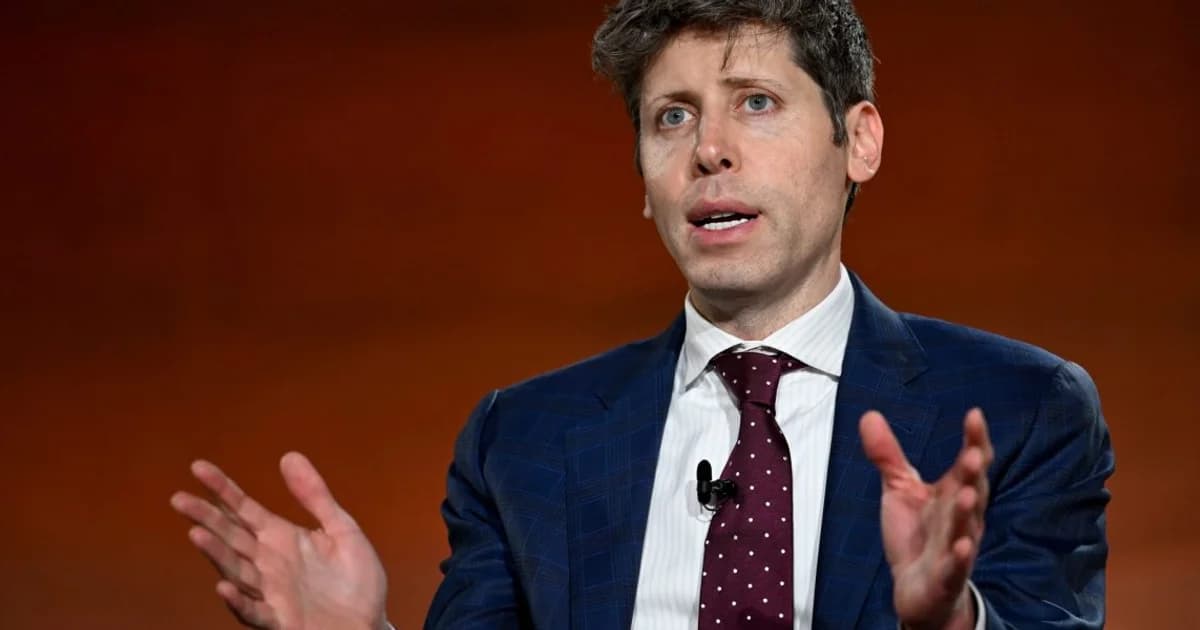
Sam Altman and Dario Amodei warned of an AI jobs apocalypse — and both are walking back those prophecies as they eye blockbuster IPOs.
Fortune drew a direct line between both major AI CEOs softening their job-displacement rhetoric and the fact that OpenAI and Anthropic are each preparing blockbuster IPOs. Per The Decoder, Anthropic's $900 billion valuation would make it more valuable than OpenAI for the first time.
Talking your book
In finance, talking your book means publicly advocating whatever position benefits your portfolio. The AI version runs in two phases. Phase one: warn that your technology will reshape civilisation. This makes the product sound transformative, which is what you want early-stage investors to believe. Phase two: reassure everyone the disruption is manageable, that AI "augments rather than replaces." This is what you say when public-market investors, regulators, and the companies building on your API need to feel comfortable writing cheques.
Altman told a Sydney audience he's "delighted to be wrong" about white-collar job losses. He expected more entry-level roles to have disappeared by now. Yale Budget Lab data, cited in the same piece, shows no significant shift in unemployment for high-AI-exposure occupations since ChatGPT launched. Amodei, per Fortune, now frames automation as a multiplier of output rather than a replacement for workers.
The aggregate numbers give them cover. But zoom into individual companies and the story is different. TechCrunch reported that Intuit is cutting over 3,000 employees to refocus on AI.
Both things are true at the same time, and the founders know it. The Yale Budget Lab numbers show no significant shift in unemployment for high-AI-exposure occupations — but that aggregate picture is cold comfort to the thousands of specific people at specific companies clearing their desks while the restructuring memos pile up. The distinction matters enormously if you're one of those people. It also matters if you're trying to IPO, because "net employment is fine" plays better with regulators than "our technology just removed 3,000 jobs at Intuit."
I think the pattern here is more familiar than it looks. The audience changed, so the message changed. The technology didn't. This is how every industry with an uncomfortable externality behaves in the run-up to a public offering: you stop talking about what your product displaces and start talking about what it enables. No company leads its prospectus with the worst thing the product does.
For anyone building on these platforms, the practical signal is simple: ignore the conference speeches, read the restructuring filings. Altman and Amodei will tell you what AI does to jobs when they're no longer selling equity. Until then, Intuit's layoff memo speaks more honestly than anything said from a stage in Sydney.
Read the original on Fortune
fortune.com