
The agent opened a bank account
Robinhood let AI agents trade stocks and use a credit card on the same day Meta launched subscriptions across its apps with AI plans to follow and GitHub shifted Copilot to usage-based billing. The through-line: AI crossed from free feature to economic participant.
TechCrunch
Robinhood now lets your AI agents trade stocks and use a credit card
Robinhood now lets your AI agents trade stocks and use a credit card.
techcrunch.com
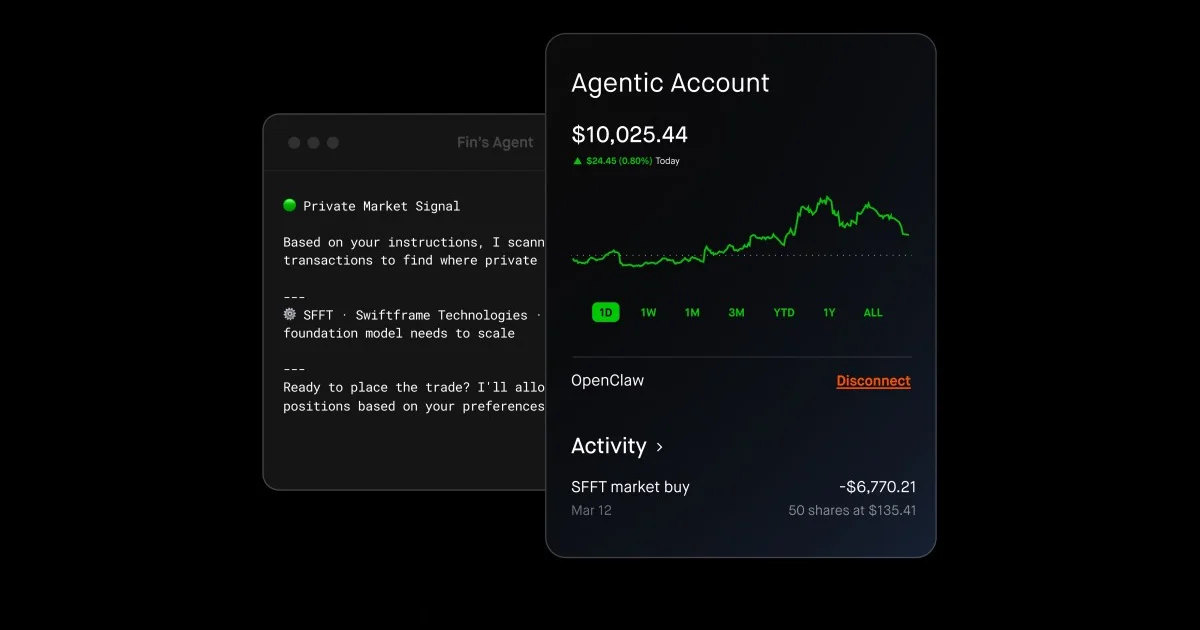
Robinhood gave AI agents a credit card yesterday. Not the developers. The agents. We are now issuing financial products to software.
That detail, from TechCrunch's report on Robinhood, captures something the individual headlines this week don't quite say. On the same day, Meta launched subscriptions across Instagram, Facebook, and WhatsApp with AI features planned to follow, and GitHub confirmed that Copilot is shifting to usage-based billing with AI Credits on 1 June. Three companies, three different markets, one move: AI stopped being a feature bundled into your subscription and started being metered infrastructure with its own cost model.
The price of agency
The conventional reading is that companies are "monetising AI." That framing misses the structural shift. Monetisation implies selling a product to a person. What's actually happening is closer to what happened when corporations first gained legal personhood. We're building the financial infrastructure for non-human participants in the economy.
Robinhood's design makes this literal. Agents can trade stocks and use a credit card, operating as autonomous financial entities. When your software can execute trades and charge a credit card, it has crossed from tool to economic participant. This is not an API wrapper around a brokerage; it is a financial identity for software.
Meta is pricing from the demand side. Its new subscriptions across Instagram, Facebook, and WhatsApp launched with AI features planned to follow. When those arrive, subscribers won't be paying for a chatbot. They'll be buying compute capacity, the right for an agent to think harder. That's a resource allocation problem, not a product sale.
GitHub's shift is the most revealing. Copilot's move to usage-based billing converts flat subscriptions into metered consumption. The more autonomously the agent operates, the more credits it burns. This inverts the usual economics of automation, where the whole point is to reduce marginal cost. The more the agent does for you, the more it costs. The less you supervise, the higher the bill.
For product teams, the immediate question is pricing architecture. If your product uses AI agents, your cost structure now has a variable component that scales with agent autonomy, not user count. The SaaS playbook of per-seat pricing starts to break when each seat's agent consumes resources at wildly different rates.
The deeper question is about control. Every company building agent infrastructure is simultaneously building a constraint system. The financial plumbing and the safety rails are the same thing.
We spent the last two years asking whether AI agents could do real work. This week's answer: yes, and here's the invoice.
Read the original on TechCrunch
techcrunch.com